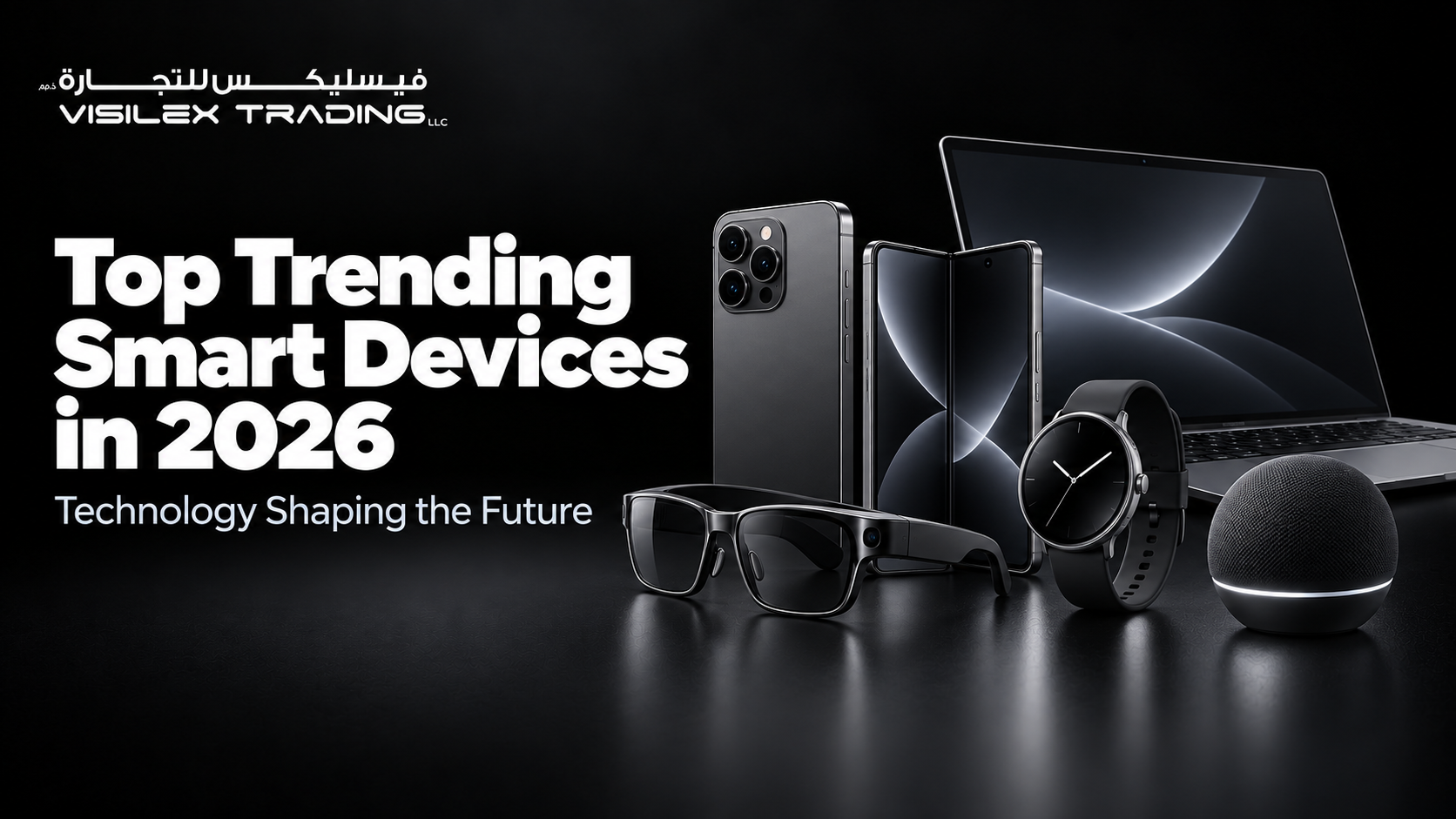
1. AI-Powered Smartphones
Artificial intelligence has become one of the biggest trends in the smartphone market. Modern smartphones are moving beyond simple voice assistants and introducing AI features directly into photography, communication, productivity and everyday tasks.
AI-powered phones can help users edit photos, summarize information, translate conversations, organize schedules and provide more personalized assistance. Instead of AI being an optional feature, manufacturers are increasingly designing the entire device experience around intelligent software.
For consumers, this means smartphones are becoming more useful personal assistants rather than simply communication devices.
2. Foldable Smartphones
Foldable smartphones continue to gain attention in 2026 as manufacturers improve durability, reduce device thickness and provide better multitasking experiences.
Book-style foldable phones are particularly attractive for business users, content creators and customers who want both a smartphone and tablet-style experience in one device.
Users can open multiple applications, watch videos on larger displays and handle productivity tasks without carrying a separate tablet.
As foldable technology becomes more refined, this category is expected to remain an important part of the premium smartphone market.
3. Smart Glasses
Smart glasses are quickly becoming one of the most exciting wearable technology categories.
New-generation smart glasses combine cameras, microphones, speakers and AI assistance while maintaining the appearance of traditional eyewear. Depending on the device, users can capture photos and videos, listen to audio, receive information and interact with AI without constantly looking at a smartphone.
This hands-free approach could make smart glasses increasingly useful for travel, communication, navigation, content creation and everyday activities.
4. Smartwatches and Health Wearables
Wearable technology continues to play an important role in health and fitness.
Modern smartwatches and fitness devices can monitor activities such as steps, workouts, sleep patterns and heart rate while connecting directly with smartphones.
At the same time, smaller wearable devices such as smart rings and screen-free fitness trackers are becoming increasingly popular among consumers who want health monitoring without receiving constant notifications.
The trend is moving toward devices that provide meaningful information while remaining comfortable and convenient to wear throughout the day.
5. AI-Powered Laptops and PCs
Artificial intelligence is also changing personal computers.
Modern AI PCs include dedicated hardware designed to process certain AI tasks directly on the device. This can improve productivity, content creation, communication and system efficiency.
For professionals and businesses, AI-enabled laptops can support smarter workflows, faster content processing and more personalized computing experiences.
As software continues to introduce additional AI capabilities, AI-ready computers are likely to become increasingly important for both business and personal use.
6. Portable Gaming Devices
Portable gaming continues to attract customers who want console-quality entertainment without being restricted to a television or desktop computer.
Modern handheld gaming devices offer powerful processors, high-quality displays and access to large digital game libraries.
The popularity of portable gaming demonstrates an important consumer trend: people increasingly want powerful technology that can travel with them.
7. Smart Home and Connected Devices
Smart home technology is also becoming more intelligent.
Security cameras, smart displays, connected lighting, robot cleaners, smart speakers and home monitoring devices are increasingly designed to communicate with one another.
AI can make these devices more useful by understanding routines, automating repetitive tasks and helping users manage their homes more efficiently.
The future of smart homes will increasingly focus on creating connected ecosystems rather than individual standalone products.
What Customers Are Looking for in 2026
Consumers are no longer choosing electronic devices based only on specifications. They increasingly look for a combination of intelligent features, strong battery life, convenience, durability, security and seamless connectivity.
Devices that can communicate with smartphones, computers, wearables and other products within the same ecosystem can provide additional value.
For retailers and technology businesses, understanding these trends is important because purchasing decisions are increasingly influenced by the complete user experience rather than one individual hardware feature.
The Future of Smart Devices
The biggest technology trend of 2026 is intelligence becoming integrated across almost every device category.
Smartphones are becoming personal AI assistants, glasses are becoming hands-free digital interfaces, wearables are becoming health companions and computers are becoming increasingly capable of processing AI directly on the device.
As these technologies continue to develop, customers can expect devices to become more personalized, connected and useful.
For businesses and consumers alike, keeping up with emerging device trends can make it easier to understand where the technology market is heading next.